Import Establishment
How does a business establish what entered through an import?
What must be trueAn import needs to preserve the connection between the goods entering the business and the external supply-chain and regulatory information that identifies that entry.
Imported goods enter the business carrying information from outside the enterprise, including supplier, shipment, quantity and regulatory details. That information may be incomplete or distributed across different documents when the goods arrive.
Why does this matter?
Physical arrival alone does not establish what entered the enterprise or where the goods came from. Keeping the external supply-chain context connected to the goods gives the business a reliable basis for recording the import and understanding the inventory that results from it.
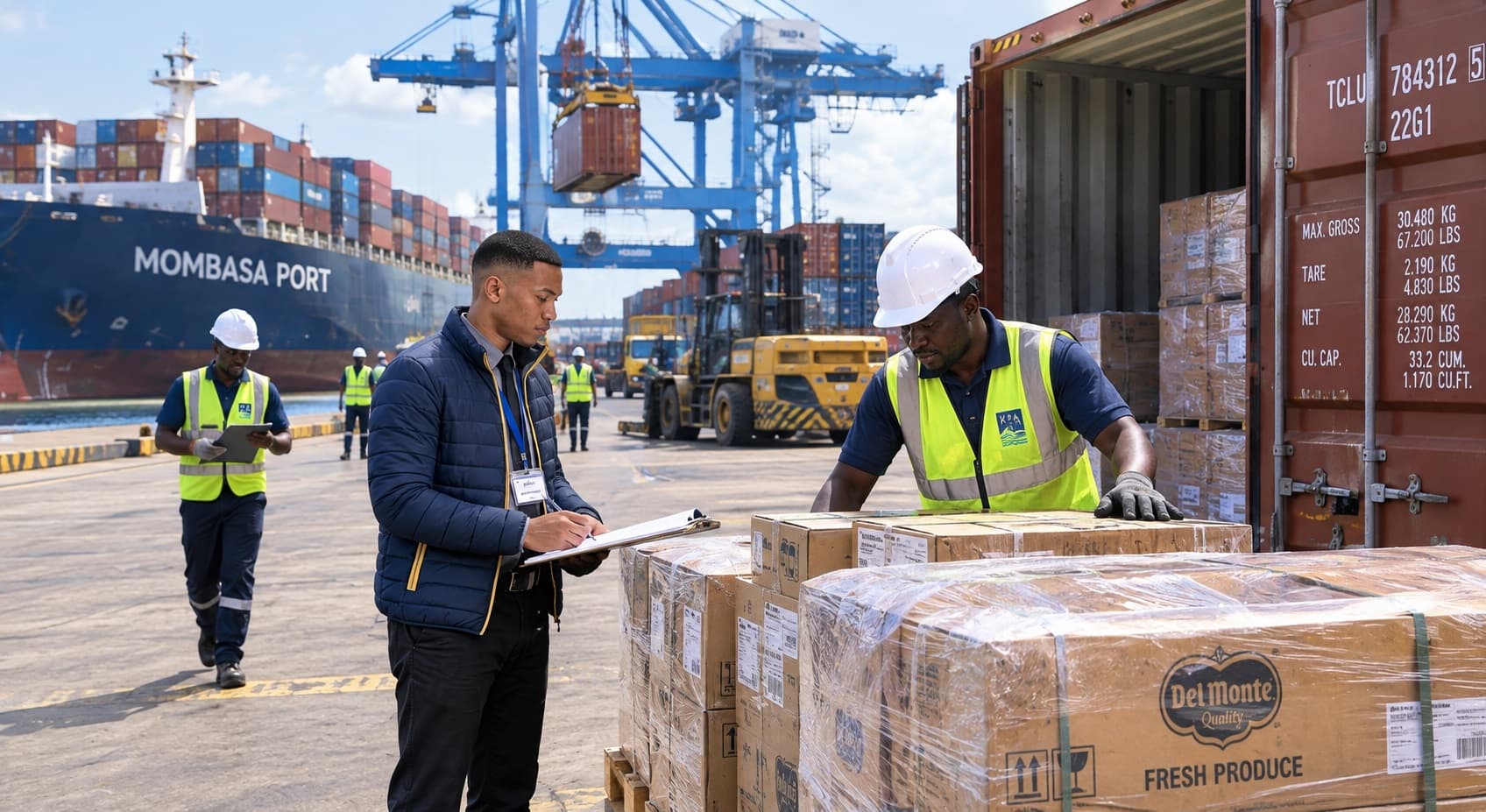
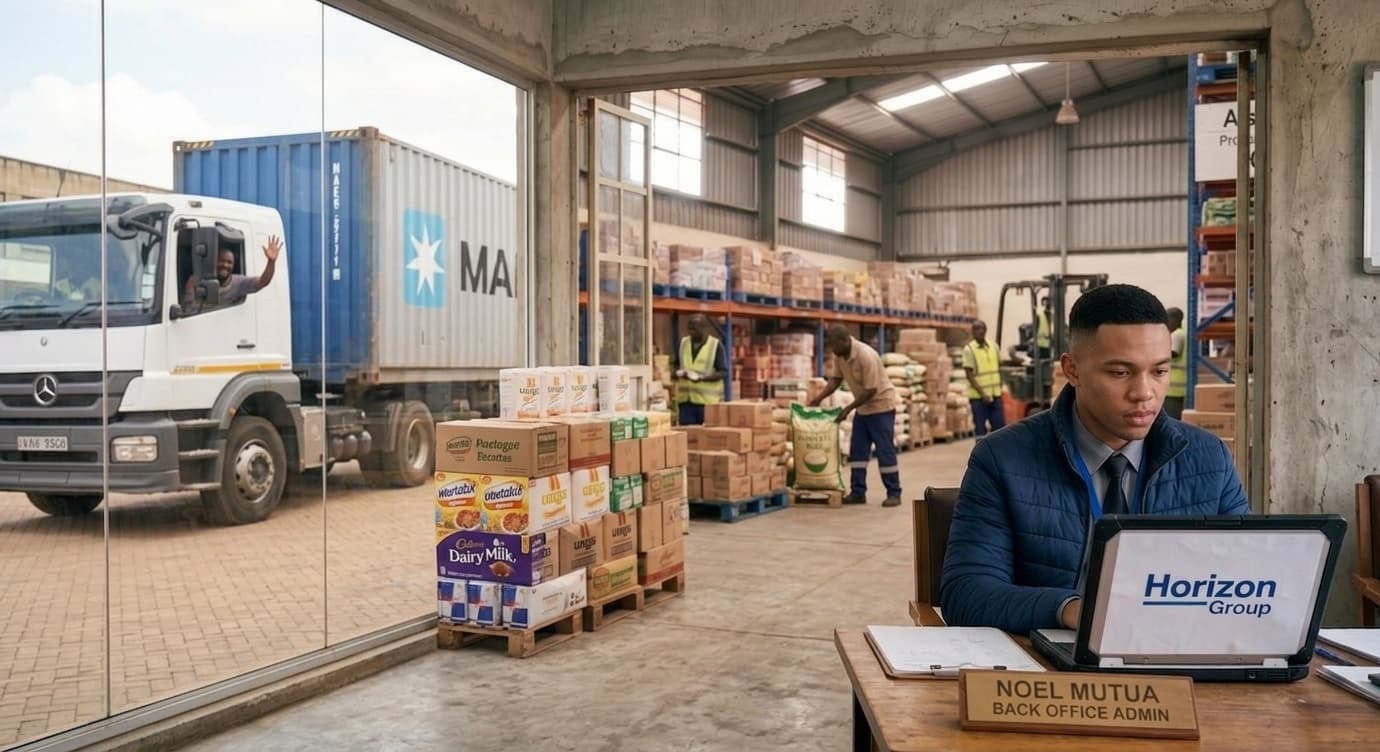
An import is a chain of information, not a single document.
Imported goods carry information from several points in the external supply chain. Supplier, shipment, quantity and regulatory details may be distributed across documents or arrive incomplete. Establishing the import means keeping those pieces connected and resolving missing information before the entry becomes part of controlled inventory.
What does this look like in practice?
The research follows an import from physical arrival and supporting documentation through the identification of missing information, its resolution and the establishment of the imported goods within the enterprise inventory record.
Imported goods enter with supplier, shipment, quantity and regulatory information that must remain connected as the import is established and the goods become part of controlled inventory.
An import carries external context into the enterpriseImported goods enter with supplier, shipment, quantity and regulatory information that must remain connected as the import is established and the goods become part of controlled inventory.- The goods exist physically before the import is established in the enterprise record.
- The import carries information from outside the business that must remain connected to the goods.
- Missing information is identified as a gap rather than silently inferred.
- The completed import representation preserves the relationship between the external entry and the resulting inventory.
Import establishment preserves the external context of goods as they enter the enterprise, including the information needed to account for their origin and entry.
Imported goods do not originate inside the business. Establishing the import means preserving enough information about their external origin, shipment and entry for the goods to become part of the enterprise record with an accountable history.
See how an import becomes an accountable enterprise record.
Explore how an import is established from external documentation and physical arrival, then see how that context carries into the resulting inventory record.
Explore Import EstablishmentHow is the external context of imported goods preserved when they enter your business?
Consider the information that accompanies imported goods from supplier and shipment through regulatory entry and physical arrival. The practical question is whether those pieces remain connected when the goods become part of the enterprise inventory record, including when some information is initially missing.
Where this research connects
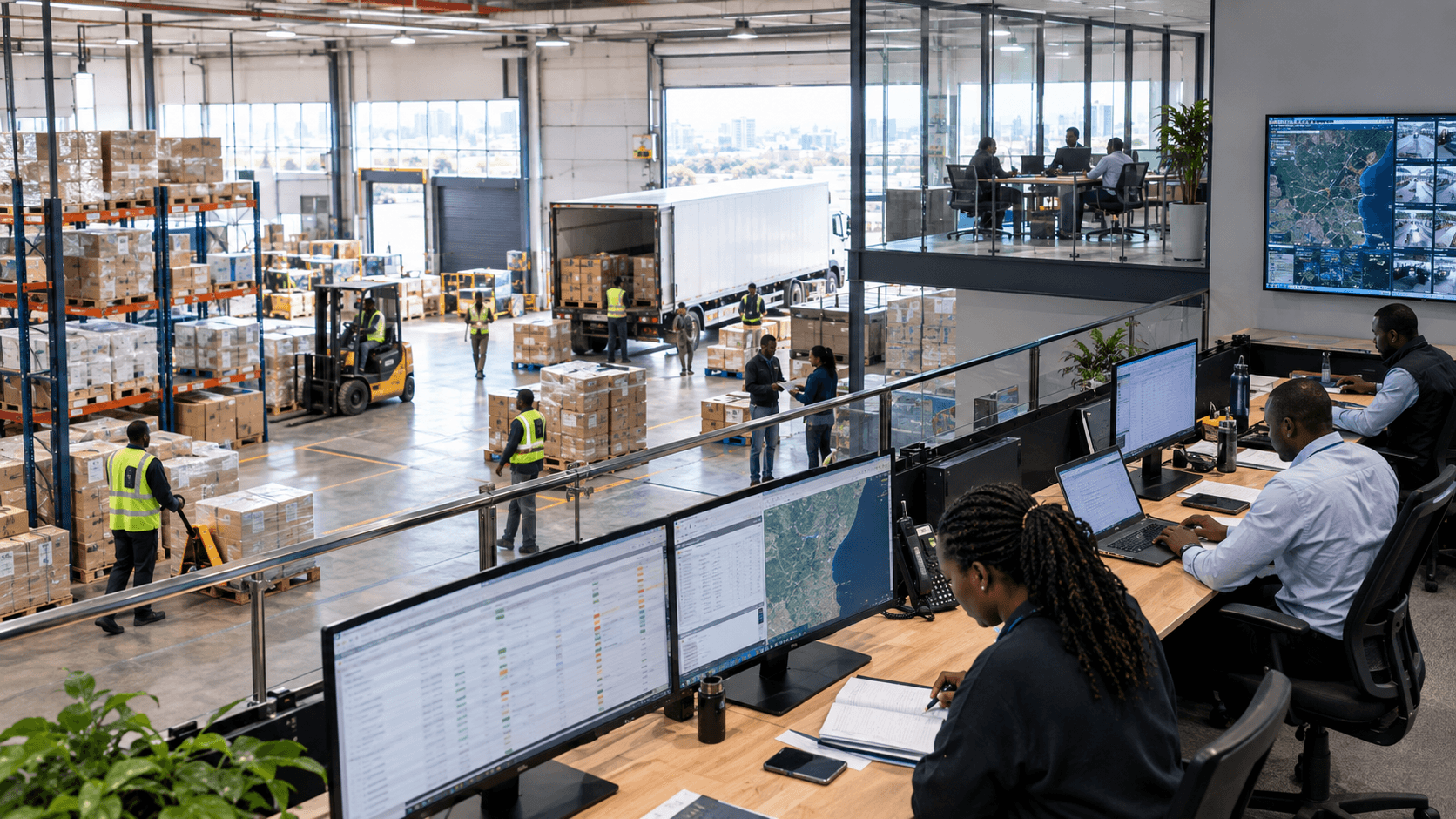 Industry
FMCG & Retail
Businesses that operate across locations while sourcing, moving, stocking, processing and selling goods.
Explore Research bodyFMCG & Retail Research
Research examines how businesses structure and control the work involved in moving goods across people, locations and operating processes.
Explore SystemIthoka Business Suite
A business system connecting people, operating locations, stock and transactions across everyday operations.
Explore TechnologyBusiness Automation
Technology for connecting business processes, records and operating context so activity can be managed consistently across locations.
Explore Business environmentHorizon Group
A multi-location business environment used to examine how people, products, stock and activity operate across the enterprise.
Explore