
Enterprise Systems, Automation & Research
Systems, automation, integration, research and technology for operations that need to work better in practice.Start with the problem that needs solving
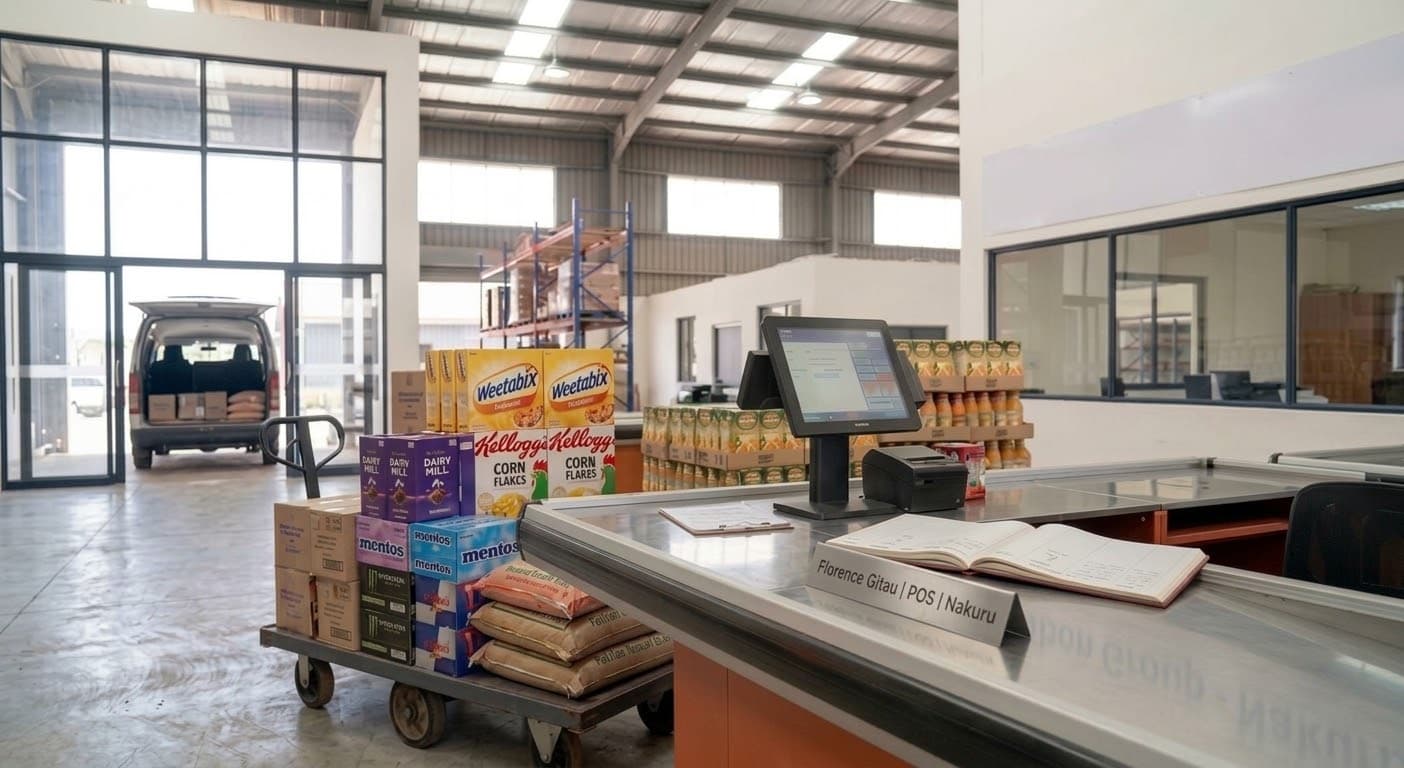
An organization focused on understanding business operations and building what they require.
Business operations depend on people, processes, records, transactions, information and technology working together. Understanding how those parts work together makes it possible to build systems that improve reliability, usefulness and control.
BUSINESS SYSTEMS
Design, build, integrate and improve systems that support critical business operations.
AUTOMATION
Connect repetitive work, decisions, records and workflows so people can focus on higher-value work.
SYSTEMS INTEGRATION
Connect existing tools when replacing everything is neither necessary nor sensible.
OPERATIONAL SYSTEMS FIREFIGHTING
Investigate systems that are failing, unreliable, disconnected or no longer fit the operation.
FRONTIER TECHNOLOGY
Apply emerging capabilities when they create a useful operational advantage.
RESEARCH & INVESTIGATION
Examine complex business operations when the problem itself is not yet clearly understood.
Depending on the problem, the solution may also involve data and information systems, digital operations, reliability and resilience, modernization, implementation, deployment, or technology strategy.
The same approach can be applied across industries, business sizes and technology environments. The requirement may involve a new system, an existing application, connected services, operational automation, data infrastructure, reliability work, modernization, deployment or an emerging technology.
Understand the work before changing it.
The approach depends on the problem. A system may need to be designed, an existing operation investigated, or a technology option tested before the right decision can be made.
01UNDERSTAND
Start with what is actually happening, including the people, records, constraints and failures involved.
02DEFINE
Identify the business requirement, constraint or problem that needs attention.
03DESIGN
Determine what the system, workflow, integration or technology needs to do.
04BUILD
Turn the requirement into a working system, automation, integration or other solution.
05DEPLOY
Put the solution into the environment where the work takes place.
06IMPROVE
Use operation, feedback and evidence to improve reliability, fit and usefulness.
The right solution depends on the work that needs to happen.
Technology is useful when it improves the work.
Different problems require different technologies. AI, automation, blockchain, computer vision, geospatial systems, document intelligence and other capabilities are useful where they improve a real business operation.
These technologies can help build new systems, connect existing systems, automate work, improve decision-making, process information or make an operation more dependable.
People behind the work.

The work continues after deployment.
Projects produce more than software. They also produce decisions, operational knowledge, technical experience and evidence that can improve future work.
Research, documentation and operational evidence make it possible to improve systems over time. What is learned in one environment can inform better decisions, stronger systems and more effective work in the next.
Explore the work
Research
The questions, investigations and the knowledge they produce.
Explore SystemsSystems built to support real business operations.
Explore IndustriesIndustries and business environments where the work is applied.
Explore TechnologyTechnologies applied when they solve a useful business problem.
Explore Virtual Business EnvironmentsWorking business environments where systems, people and operations can be experienced together.
ExploreWORK WITH ITHOKA
Start with the problem that needs solving.
A new system, difficult process, integration problem, unreliable application, automation opportunity or technical question can be the starting point. The next step is to understand what needs to change and determine the most useful response.