Manufacturing
What changes when a business transforms resources into something it can use or sell?
What must be trueManufacturing is the transformation of one set of resources into another set of resources that the enterprise can subsequently use or sell.
A manufacturing process changes the composition of resources available to the enterprise. Materials and other inputs are consumed through a transformation, resulting in outputs that become available for subsequent business activity.
Why does this matter?
The value of a manufacturing record is not simply that finished stock increased. It explains what resources were consumed, what transformation produced the output and how the resulting resources relate to what the enterprise held before production.
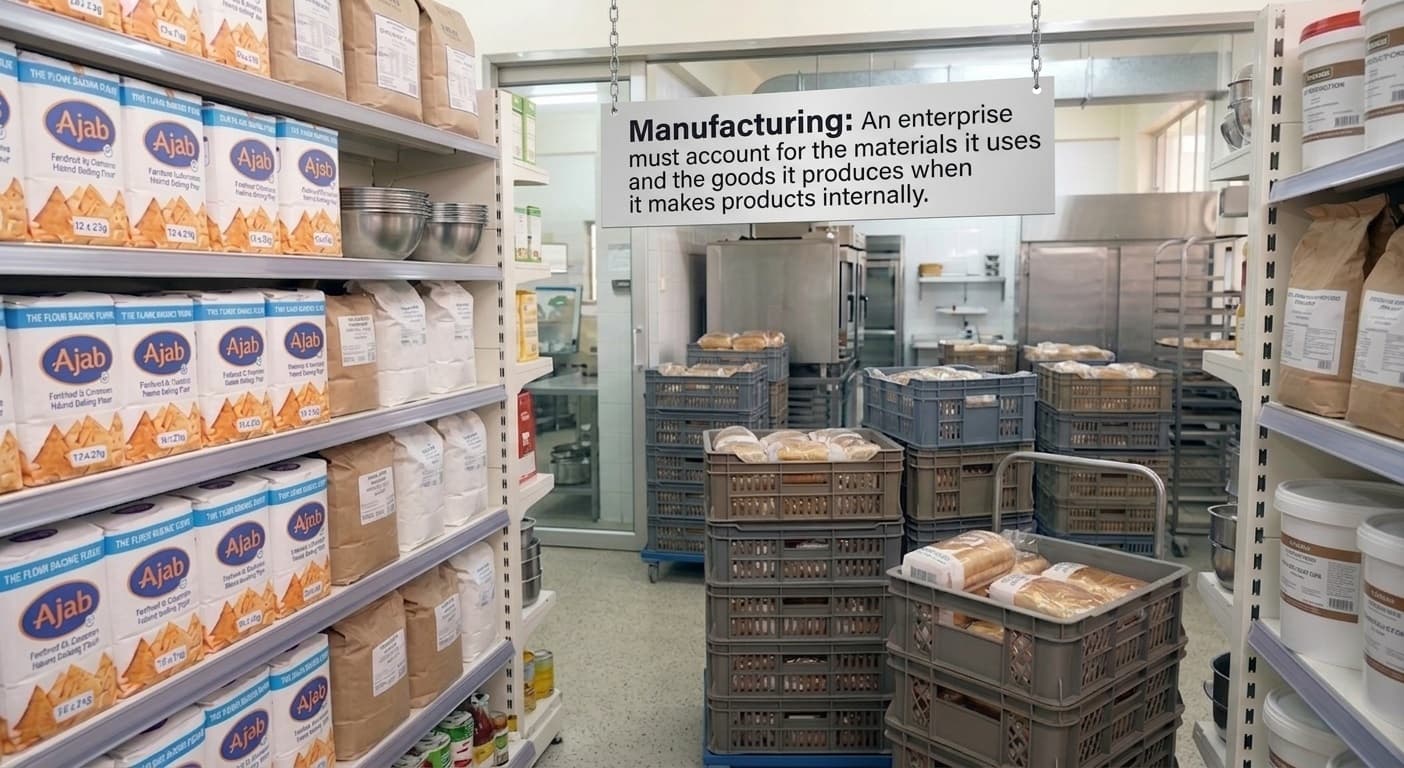
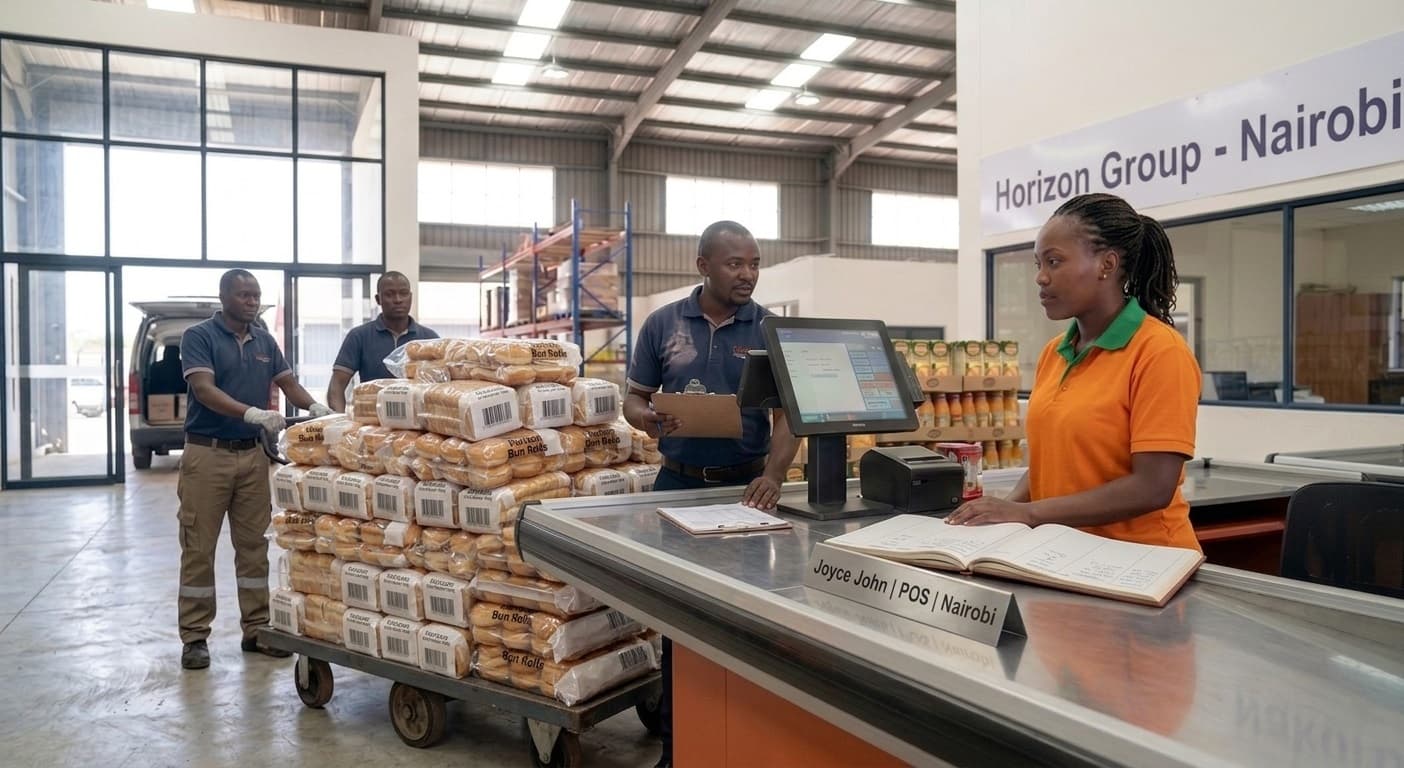
Manufacturing changes resources, not just stock balances.
The essential relationship in manufacturing is between inputs and outputs. Resources that already exist are consumed through a transformation, while different resources are produced. Recording both sides explains how the resulting resources came to exist.
What does this look like in practice?
The research follows resources entering a production event, their consumption through the transformation and the resulting outputs. It examines how the input and output sides remain connected so that the resulting stock can be understood as the product of a transformation rather than an unexplained increase.
Existing resources are consumed through a transformation that produces different resources for subsequent enterprise use or sale.
Manufacturing transforms resourcesExisting resources are consumed through a transformation that produces different resources for subsequent enterprise use or sale.- Resources exist before the transformation takes place.
- Inputs are consumed as part of producing something else.
- The transformation changes the composition of resources available to the enterprise.
- Outputs become resources that can participate in subsequent business activity.
- The relationship between consumed inputs and produced outputs remains part of the production record.
Manufacturing establishes a traceable transformation between resources consumed and resources produced.
Manufacturing is fundamentally a resource transformation. The important relationship is between what the enterprise consumes, the transformation that takes place and what the enterprise produces as a result.
See the resource transformation behind manufacturing.
Explore manufacturing as a resource transformation, then see how consumed inputs and produced outputs remain connected as one business event.
Explore ManufacturingCan the resources produced by your business be traced back to what was transformed to produce them?
Consider something your business produces and work backwards from the resulting resource. The practical question is whether the record can explain what resources were consumed, what transformation took place and what resources were produced as a result.
Where this research connects
 Industry
FMCG & Retail
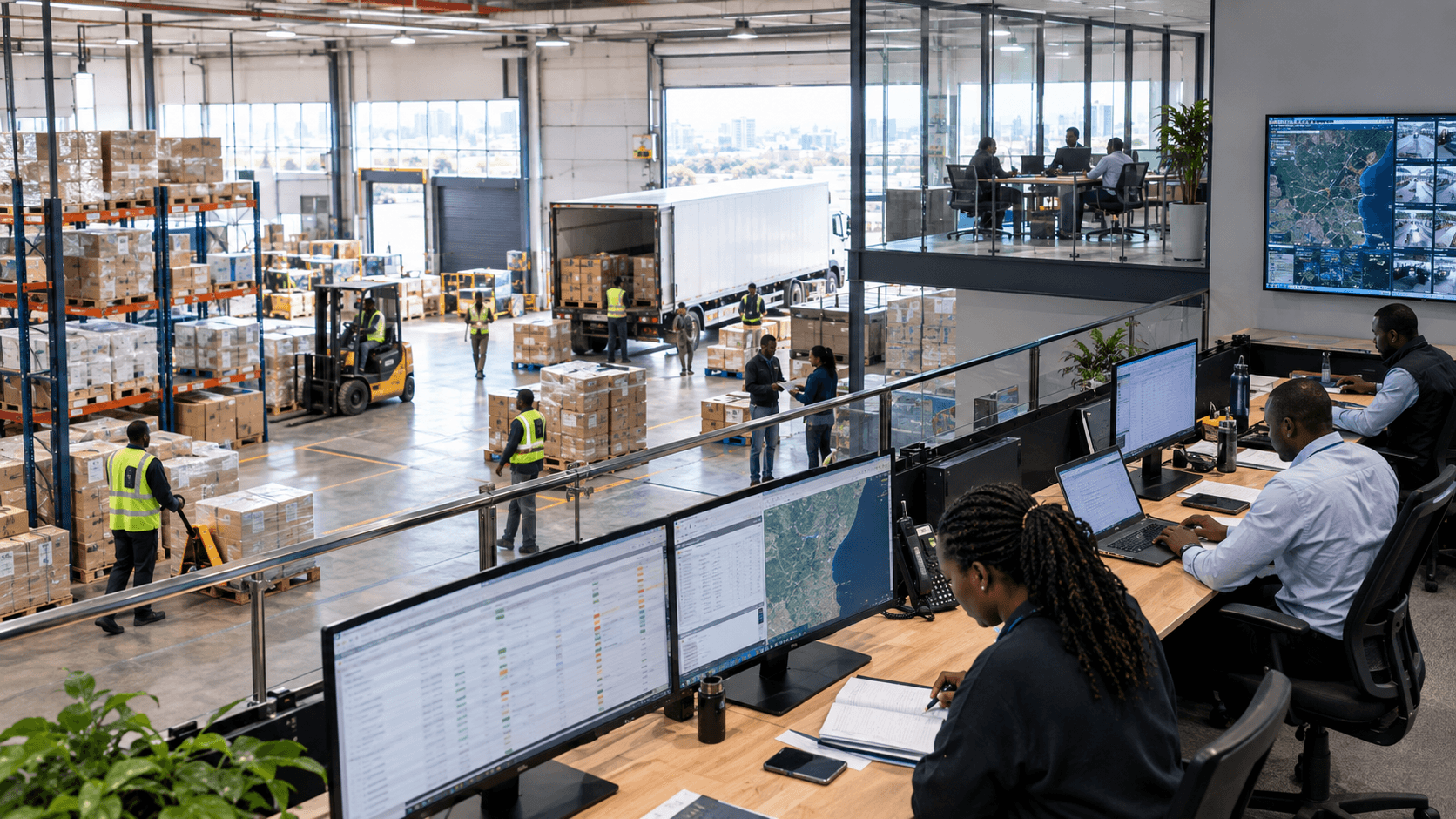
Businesses that operate across locations while sourcing, moving, stocking, processing and selling goods.
Explore Research bodyFMCG & Retail Research
Research examines how businesses structure and control the work involved in moving goods across people, locations and operating processes.
Explore SystemIthoka Business Suite
A business system connecting people, operating locations, stock and transactions across everyday operations.
Explore TechnologyBusiness Automation
Technology for connecting business processes, records and operating context so activity can be managed consistently across locations.
Explore Business environmentHorizon Group
A multi-location business environment used to examine how people, products, stock and activity operate across the enterprise.
Explore