Repackaging
What changes when existing goods are converted into a different operational form?
What must be trueRepackaging transforms existing stock into a different operational form while preserving the relationship between what was consumed and what was produced.
Repackaging is not simply opening a container and placing its contents somewhere else. It changes how existing goods are represented and handled by the business, producing a new operational form from stock that already existed.
Why does this matter?
If the output of repackaging is treated as unrelated new stock, the business loses the relationship between what it already held and what it subsequently made available in another form. Keeping the input and output connected makes the transformation traceable and preserves the history of the goods.

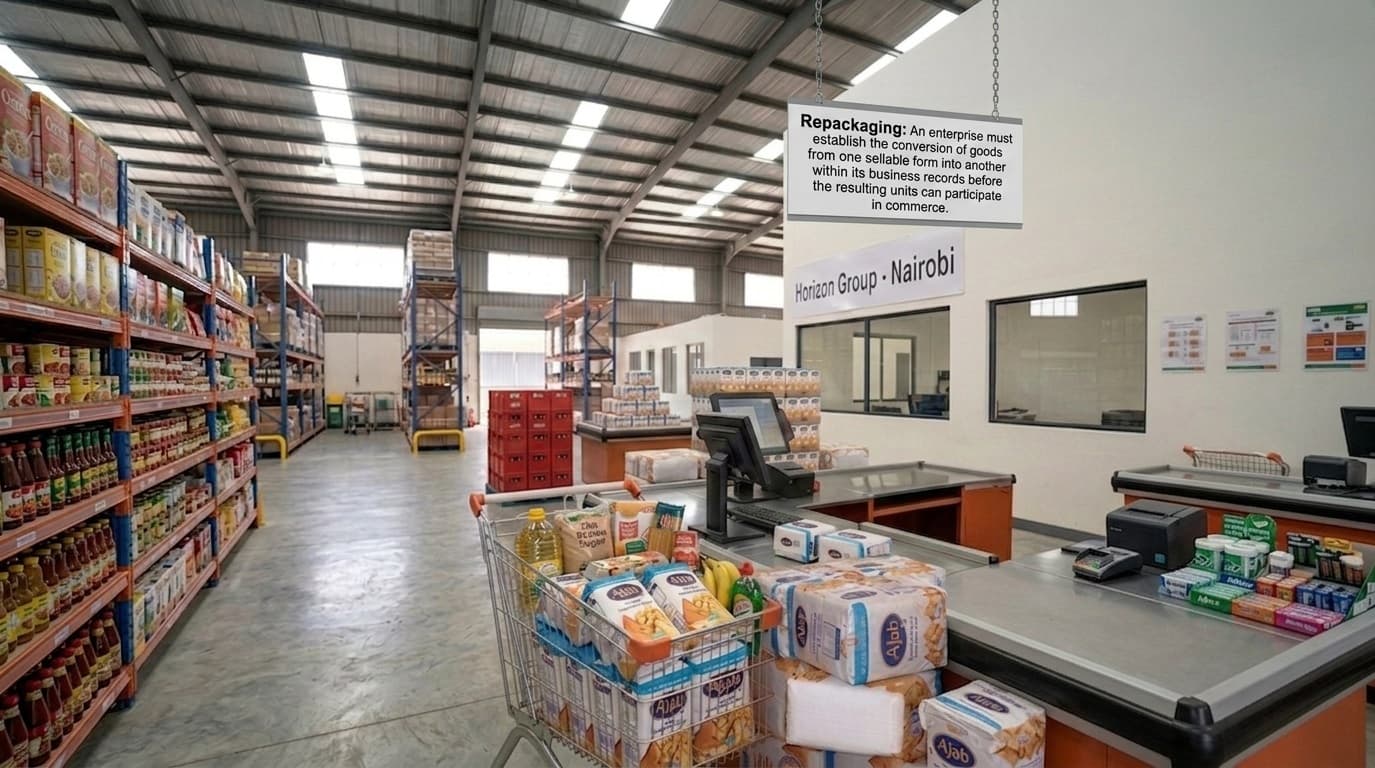
Repackaging changes the form of stock without creating its source from nothing.
The important relationship in repackaging is between an existing stock input and the different form produced from it. The input is consumed through the conversion, while the output becomes available for subsequent activity. Keeping both sides connected explains where the resulting stock came from.
What does this look like in practice?
The research follows existing stock through a repackaging event and examines the relationship between the goods consumed and the resulting units produced. The evidence shows how the new operational form is established without losing its connection to the source stock.
Existing stock is consumed through a repackaging transformation and a different operational form is produced. The relationship between the source consumed and the output produced remains traceable.
Repackaging transforms existing stock into a new operational formExisting stock is consumed through a repackaging transformation and a different operational form is produced. The relationship between the source consumed and the output produced remains traceable.- The goods being repackaged already exist before the transformation takes place.
- The original stock is consumed as part of producing a different operational form.
- The output represents the resulting form of the goods rather than an unrelated new resource.
- Input and output quantities remain connected as part of the same transformation.
- Changing the form of the goods does not erase the history of the stock from which they came.
Repackaging establishes a different operational form of existing stock while preserving the traceable relationship between the source consumed and the output produced.
Repackaging is a transformation of existing stock. The original goods are consumed through the conversion, and a different operational form is produced for subsequent business activity.
See the transformation behind repackaging.
Explore how existing stock is transformed into a different operational form, then see how the resulting goods remain connected to the stock from which they came.
Explore RepackagingCan the stock in its new form be traced back to what was transformed to produce it?
Consider goods that your business changes into another operational form before they are used or sold. The practical question is whether the resulting stock can still be connected to the original stock consumed, including the quantities involved in the transformation.
Where this research connects
 Industry
FMCG & Retail
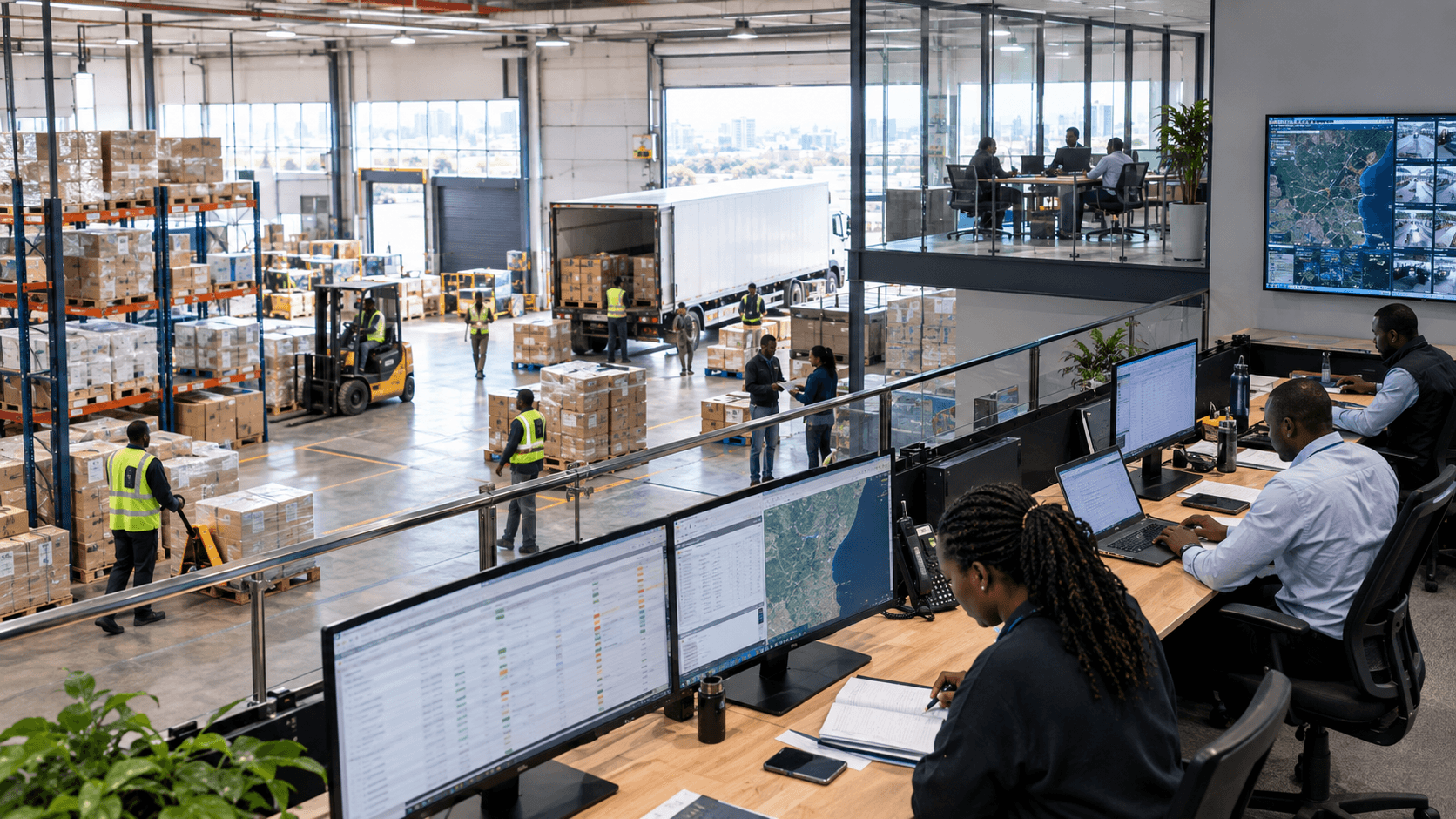
Businesses that operate across locations while sourcing, moving, stocking, processing and selling goods.
Explore Research bodyFMCG & Retail Research
Research examines how businesses structure and control the work involved in moving goods across people, locations and operating processes.
Explore SystemIthoka Business Suite
A business system connecting people, operating locations, stock and transactions across everyday operations.
Explore TechnologyBusiness Automation
Technology for connecting business processes, records and operating context so activity can be managed consistently across locations.
Explore Business environmentHorizon Group
A multi-location business environment used to examine how people, products, stock and activity operate across the enterprise.
Explore