Shift Control
How does an enterprise control an operating session?
What must be trueAn enterprise must control the state of its operating sessions from activation through closure and exception resolution.
An operating session has a beginning state, an active period, an ending state and possible exceptions. Control requires the business to account for the session from opening through closure.
Why does this matter?
A business needs to know the state an operating session began in, what happened during it and how it ended. Without that continuity, activity during the session can be difficult to reconcile when the session closes.
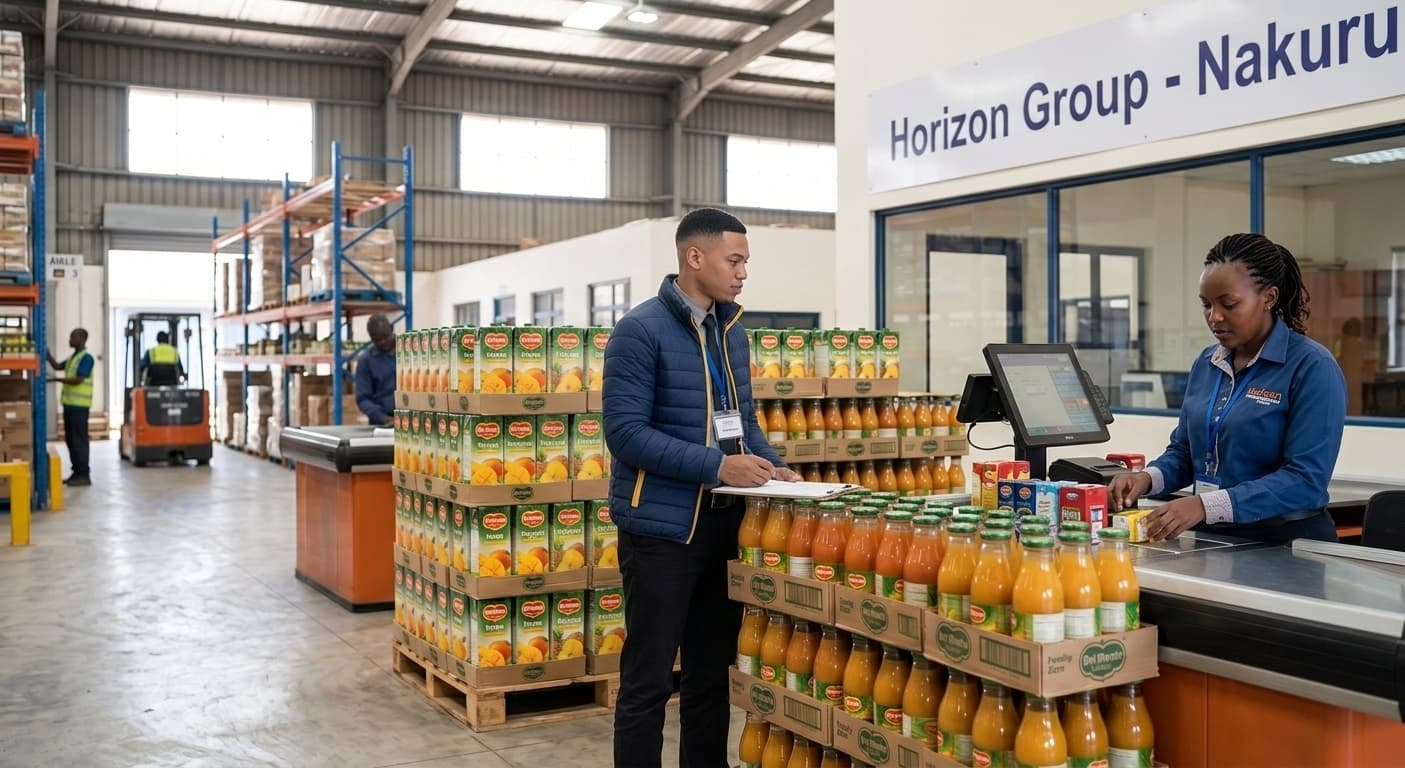
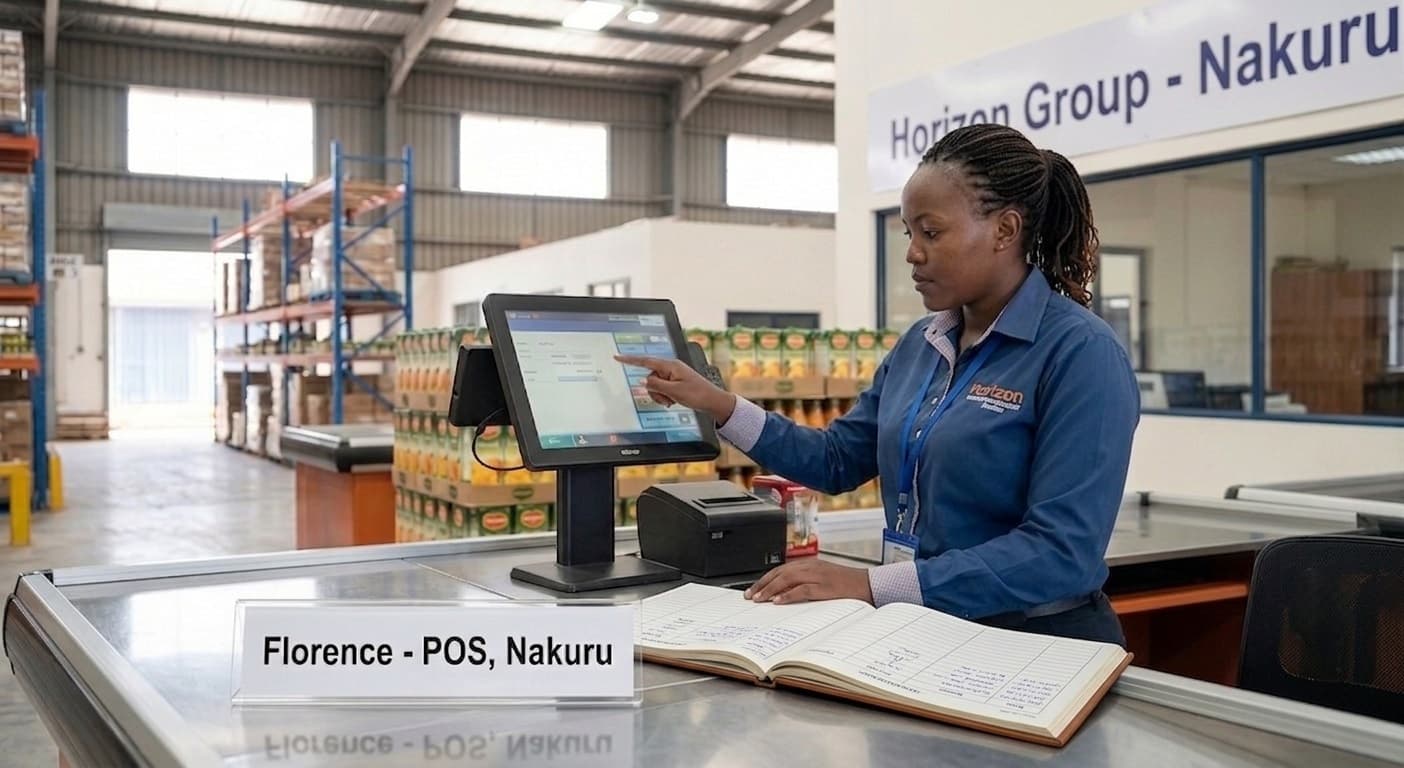
A session has a state before, during and after work.
Opening establishes the starting position, active operation records what happens during the session, and closure establishes the resulting position. If the declared state differs from the expected state, the session does not simply disappear into closure; it enters a controlled variance path.
What does this look like in practice?
The research follows an operating session from opening through active work and closure, including the point at which the declared closing state is compared with the expected state and a variance requires further control.
An operating session moves from an established opening position through active work to closure. Closure produces either a completed state or a variance path requiring administrative control and resolution.
An operating session moves through controlled statesAn operating session moves from an established opening position through active work to closure. Closure produces either a completed state or a variance path requiring administrative control and resolution.- The session begins from an established opening position.
- Activity takes place within an active operating session rather than as isolated events.
- Closure compares the declared ending position with the expected state.
- A difference between those states becomes a visible variance rather than being silently absorbed into closure.
- A variance creates a controlled path for administrative review and resolution.
A controlled operating session preserves the relationship between its opening state, activity, closure and any resulting variance.
An operating session is a controlled business state, not merely a login session.
Explore how an enterprise opens and controls an operating session, then see how closure establishes either a completed state or a variance requiring resolution.
Explore Shift ControlHow is an operating session accounted for from opening to closure?
Consider what establishes the starting position of an operating session, what is recorded while work is active and how the ending position is checked. The practical question is what happens when the declared result does not match what was expected.
Where this research connects
 Industry
FMCG & Retail
Businesses that operate across locations while sourcing, moving, stocking, processing and selling goods.
Explore Research bodyFMCG & Retail Research
Research examines how businesses structure and control the work involved in moving goods across people, locations and operating processes.
Explore SystemIthoka Business Suite
A business system connecting people, operating locations, stock and transactions across everyday operations.
Explore TechnologyBusiness Automation
Technology for connecting business processes, records and operating context so activity can be managed consistently across locations.
Explore Business environmentHorizon Group
A multi-location business environment used to examine how people, products, stock and activity operate across the enterprise.
Explore